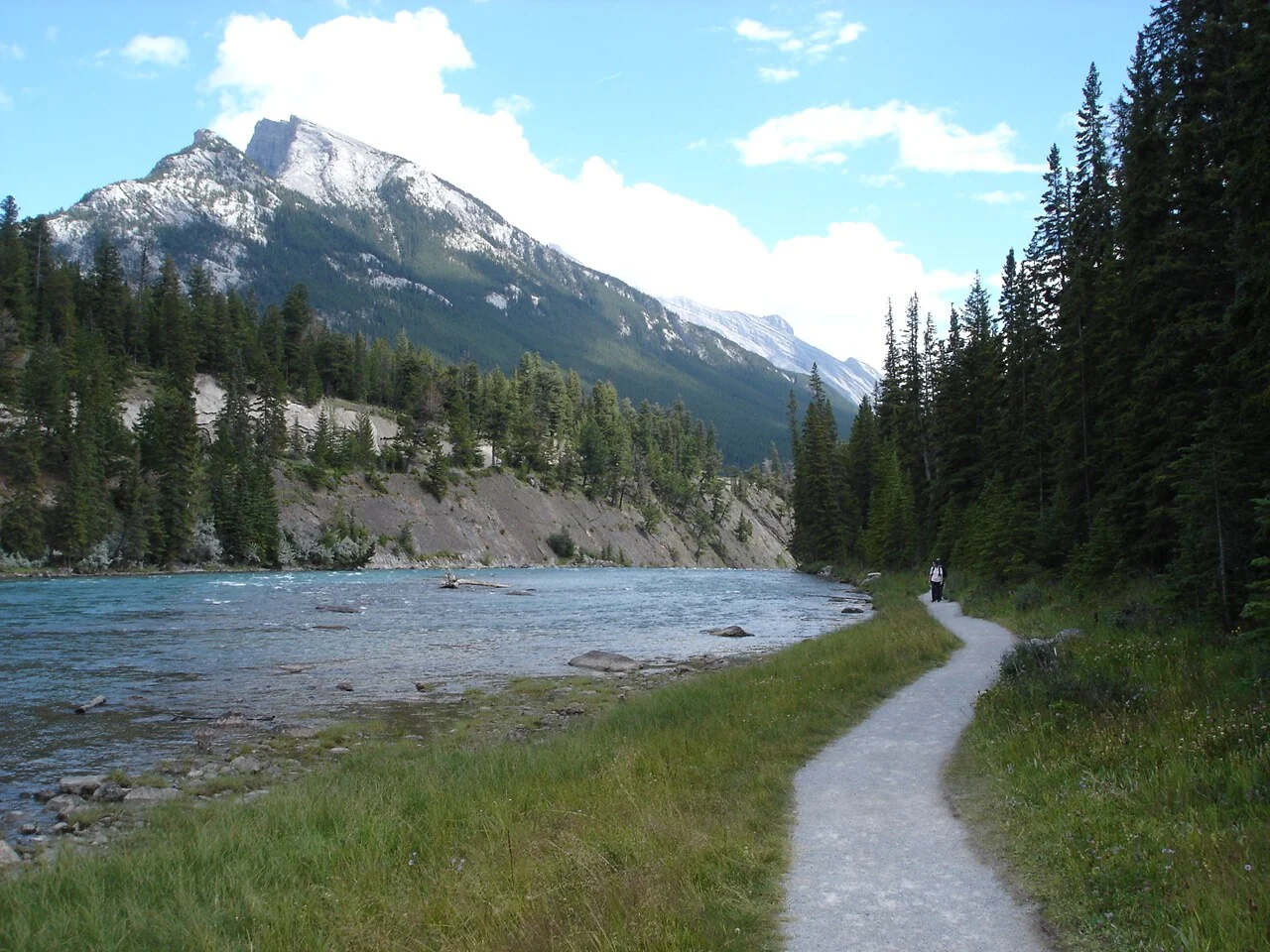
A river is the visible part of a much larger drainage system. Rain, melting snow, and groundwater connect surrounding land to its channel. Reading a Canadian watershed means following those connections uphill to their boundaries and downstream to a shared outlet.
The Great Lakes share a name, but their basins differ in depth, size, and elevation. Their water levels also change as water enters and leaves. Geography describes the containers; a water balance explains why the amount inside them varies.
Wetlands are grouped by more than the presence of water. Their plants, chemistry, and water sources create different habitats. Canadian wetland terminology becomes easier to read when broad definitions are paired with the shorelines and wet forests of Georgian Bay.
In northeastern Alberta, the Peace–Athabasca Delta joins rivers, lakes, marshes, and grasslands into a changing freshwater landscape. Its ecology depends on water moving beyond the main channels, sometimes through flow reversals that challenge a simple picture of rivers running one way.